Why Table Tennis Clubs Now Operate Like Small International Teams
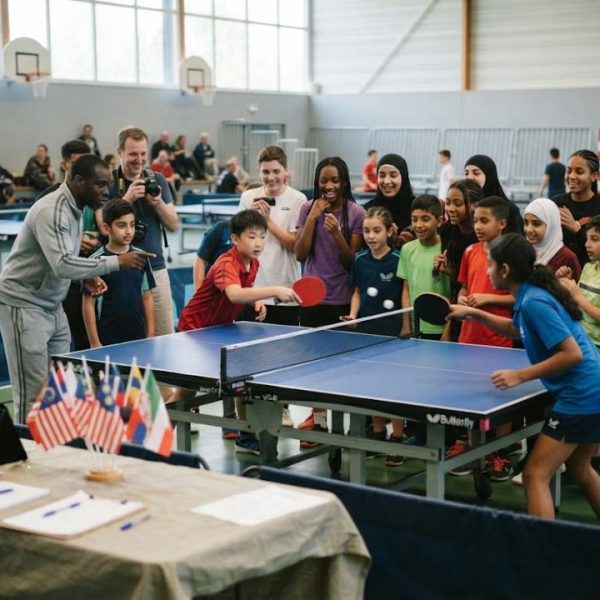
Table tennis clubs rarely think of themselves as international organizations, yet a single regional tournament can pull in players, coaches, and umpires from a dozen countries within a single weekend. Behind the scoreboards and serving rotations sits a quieter challenge that club administrators are only beginning to take seriously: keeping everyone on the same page when they don't share a language.
A sport that outgrew its paperwork
A club does not need a tournament abroad to feel this pressure, because its own website, entry system and sponsor pages already speak to more than one audience. Rule changes, safeguarding notes and travel details all need to say the same thing in every language the club publishes. Treating that work as part of one plan for localization services helps a small team keep forms, pages and announcements consistent without rebuilding them for each event. Players then spend their attention on the match rather than on decoding the paperwork.
Grassroots table tennis has exploded in popularity over the past decade, and with it the number of cross-border friendlies, junior exchange programs, and open tournaments has climbed sharply. A club that once ran a handful of local matches a year now finds itself hosting a European qualifier with entry forms, medical waivers, and rulebooks that need to make sense to every entrant, not just the ones who speak the host country's language.
Where the language gap actually shows up
It rarely surfaces during the match itself, since scoring and hand signals are largely universal. The friction shows up earlier: registration forms filled out incorrectly, anti-doping declarations misunderstood, or a coach missing a schedule change buried in an email nobody translated. Federations that run youth academies report that the biggest source of disputes isn't on the table at all, it's paperwork that arrived in only one language.
Why clubs are turning to dedicated platforms
Spreadsheets and email threads work fine for a single local league, but they fall apart once a club starts managing rosters, rule updates, and sponsor communications in three or four languages at once. This is exactly the gap that a translation management system is built to close, giving club administrators one place to keep every translated version of a document synchronized instead of hunting through old email chains for the latest copy. Platforms such as translation platform online let a federation update a rulebook once and push the change across every language version automatically, which matters enormously when a doping regulation or safety rule changes mid-season.
Russian-speaking players and the paperwork they bring
Table tennis has a deep talent pipeline running through Russian-speaking countries, and clubs that recruit junior players from these programs quickly discover that school transfer letters, prior competition records, and medical histories all arrive in Russian. Coaches who try to piece together a new player's background from a machine-translated PDF often miss details that matter, like a prior injury noted in a medical form. A proper russian to english translation of these founding documents means the receiving club actually understands who they are bringing into the program, not just the highlights.
Ukrainian clubs rebuilding through international exchange
Since 2022, a number of Ukrainian table tennis academies have relocated their junior programs abroad or built partnerships with clubs across Europe, and host clubs have had to adapt quickly. Enrollment records, prior tournament rankings, and even basic contact information often need careful ukrainian to english translation before a new player can be registered with a national federation. Clubs that have handled this well describe it less as a translation task and more as a resettlement task that happens to involve a lot of documents.
Club table tennis has become surprisingly international, with rosters, coaches and tournament travel that would not look out of place in a small business. Funding those operations means courting sponsors who expect measurable reach in return. That is why even modest clubs now talk about digital advertising when they pitch a shirt deal, since impressions are the currency sponsors understand.
Table tennis clubs that operate like small international teams spend more time arranging transport than anyone expects. Once a club runs its own minibus, car repairs and maintenance quietly becomes part of the fixture calendar. Volunteer organisations feel vehicle costs more sharply than businesses do.
What a tournament organizer actually needs translated
Not every document needs the same level of care. Match schedules and venue directions can survive a rough translation without causing real harm. Anti-doping forms, medical consent documents, and anything with legal weight cannot. Experienced organizers build a short list early in the planning process: which documents are safety-critical, which are informational, and which can be handled with a quick glance from a bilingual volunteer. This triage saves both money and time when a tournament is only weeks away.
Training umpires who work across languages
International umpires face their own version of this problem. Rule interpretations can shift slightly between federations, and an umpire trained under one set of translated regulations may apply a call differently than one trained under the original language version. Clubs that host frequent international events increasingly keep a single translated master rulebook that every umpire references, rather than relying on whatever translation happened to be circulating that season.
The cost of getting it wrong
A misunderstood entry form has led to disqualified players showing up at the wrong venue, or worse, missing a mandatory weigh-in or medical check because the notification never made sense to them. These incidents rarely make headlines, but they erode trust with the exact international community a club is trying to attract. Tournament directors who invest early in clear, professionally translated communication tend to see fewer last-minute disputes and a noticeably smoother check-in process.
Building a repeatable process instead of scrambling every season
The clubs that handle this best treat translation as part of their annual planning rather than a fire drill before each event. They keep a running library of translated forms, update it once when rules change, and know exactly which volunteer or service handles which language. According to guidance published by the International Table Tennis Federation, consistent communication across member associations is one of the quieter factors behind a well-run international competition, right alongside good officiating and a properly measured net.
The same community-building logic applies to fitness clubs trying to keep their members engaged year after year. People stay where they feel they belong, where communication is clear, and where the experience feels personal rather than transactional. Understanding what makes gym members stay often comes down to these fundamentals: strong relationships, consistent quality, and a sense of shared purpose. Clubs that invest in their members the way these table tennis clubs invest in their international players see loyalty that lasts.