Quiet Ways to Enjoy Woodlands and Lakes Through the Seasons
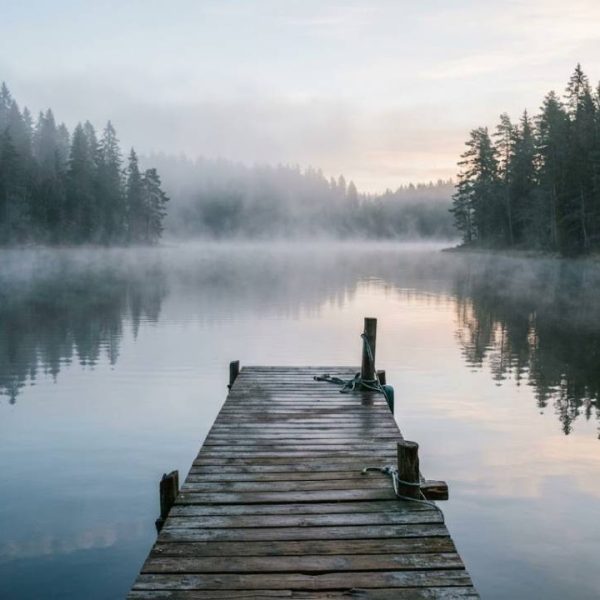
Woodlands and lakes change their character with every season, and each one offers something worth seeing. You do not need special skills or expensive gear to enjoy them. This guide shares simple, quiet ways to explore, observe and protect natural places throughout the year.
Spring Brings Birdsong and Blossom
Early spring is the season of fresh leaves and busy birds. Walk at dawn and listen for the chorus. Wildflowers carpet the forest floor before the canopy closes, so look down as well as up while you stroll.
Summer Is Perfect for Shade and Water
Cool woodlands offer relief on hot days. Find a shaded path, bring a flask and rest beside a lake. Dragonflies, fish and reeds create a lively scene that rewards patient watching.
Autumn Colors Need Slow Walking
Gold, orange and red leaves transform familiar paths. Walk slowly, notice fungi and berries, and listen to leaves crunch underfoot. Late afternoon light makes the colors glow, so plan your outing for that time.
Winter Reveals Hidden Shapes
Bare branches show the structure of the woods. Frost on grass and ice at the lake edge create quiet, striking scenes. Dress warmly, wear boots with good grip and enjoy the stillness.
Choose Paths That Suit You
Short loops are perfect for beginners, while longer trails appeal to experienced walkers. Check maps and trail notes before you leave. Organizations such as the Woodland Trust list places to visit and tips for responsible visits.
Bring Light Equipment
A small bag with water, a snack, a rain jacket and a map is usually enough. Binoculars help you spot birds without disturbing them. Pack light so you can walk comfortably and stay out longer.
Practice Quiet Observation
Stand still for a few minutes and let the forest settle. Animals often return once they feel safe. You will notice sounds, scents and movements that fast walkers miss completely.
Learn Common Trees and Plants
Knowing oak, birch, pine and beech adds depth to every walk. Field guides and free apps make learning easy. Start with five species and add more each season as you grow confident.
Share Nature With Readers Abroad
Nature writers and photographers often reach audiences in many countries. Captions and guides prepared through english to finnish translation let readers in Finland enjoy the same trails, stories and advice in their own language.
Photograph Responsibly
Use natural light, keep a respectful distance from wildlife and never move plants for a better shot. Early morning and late afternoon give soft light. Remember that the animal always matters more than the picture.
Explore Creative Tools
Some photographers and bloggers experiment with generative AI tools for content creation to draft captions or outline stories. Treat the results as a starting point, and always check facts and species names yourself.
Keep a Nature Journal
Write short notes on weather, sightings and feelings after each walk. Add quick sketches if you like. Over time, your journal becomes a personal record of how the seasons change in places you love.
Protect Wildlife and Habitats
Stay on paths, keep dogs under control and avoid picking plants. Nesting season needs extra care, because disturbance can make birds abandon their young. Small choices help keep woodlands healthy.
Quiet seasonal trips of the sort described above are planned by people who want somewhere specific rather than somewhere cheap, which is the most valuable guest a small property can attract. Reaching them means describing the place honestly, including what it is not. Properties that approach boutique hotel marketing this way attract fewer enquiries and convert far more of them, which is usually the better outcome for a hotel with twelve rooms.
Keeping paths, nesting areas, and lake edges undisturbed is a small habit with a large effect, since healthy habitats give birds and other animals room to breed and feed. Visitors who follow those simple rules are already taking part in the wider effort to keep woodlands thriving for future seasons. That effort is the heart of wildlife conservation, which brings together habitat protection, careful observation, and respect for the creatures that share these places. Every quiet walk that leaves nature as it was found helps the woodlands and lakes stay wild and welcoming.
Take Only Memories
Carry out all litter, including fruit peels, and consider picking up extra rubbish you find. A clean path makes the experience better for the next visitor and for the animals that live there.
Visit With Friends or Family
Nature walks are a gentle way to spend time together. Give children small tasks such as finding leaves or listening for birds. Shared discoveries build lasting memories and a love for the outdoors.
Check the Weather and Daylight
Forecasts change quickly near water and trees. Check conditions before leaving, and plan to return before dusk. Tell someone where you are going, especially on remote trails.
Enjoy the Lake Edge Safely
Water looks calm but can be cold and deep. Keep a safe distance from soft banks and never walk on ice. Watch for signs and respect any local safety guidance.
Use Your Senses
Touch bark, smell damp earth and listen to wind in the leaves. Engaging every sense makes the experience richer and helps you feel connected to the place.
Revisit Favorite Spots
Returning to the same place through the year shows how it changes. You will notice new details each time, and the familiar path becomes a trusted friend.
Make Time for Stillness
Put your phone away for part of the walk. A quiet hour among trees can calm the mind and restore energy. Nature does not demand anything, it simply invites you to be present.
Plan Your Next Outing
Before heading home, think about what you want to see next. A new season, a new trail or a different time of day can change the experience completely.
Final Thoughts
Nature rewards those who walk slowly and look closely. Visit in every season, respect the habitats you enter and share what you learn. The more time you spend among trees and water, the more you will want to protect them.