Climate Risk and the Energy Transition for Business Boards
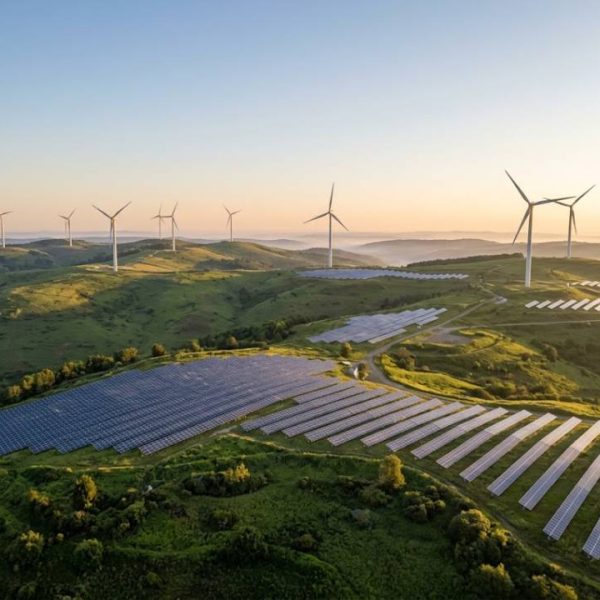
Climate change is now a board level issue. Extreme weather, new regulation and changing markets affect budgets and plans. This article explains the main climate risks, how the energy transition reshapes business and which practical steps leaders can take to manage uncertainty.
Two Types of Climate Risk
Physical risks come from storms, heat and floods. Transition risks come from new laws, technologies and customer expectations.
Physical Risks Hit Operations
Flooded factories, damaged roads and heat stress can stop production. Maps and data help companies see where assets are exposed.
Transition Risks Change Markets
As countries cut emissions, demand shifts toward cleaner products. Firms that ignore the change may lose customers and investors.
Understand the Science
Climate science explains how greenhouse gases warm the planet. The IPCC reports summarise global research and are widely used by governments and companies.
Measure Your Emissions
You cannot manage what you do not measure. Start by recording energy use, travel and supply chain impacts.
Set Realistic Targets
Clear goals with dates and responsibility motivate action. Targets should match science and be reviewed regularly.
Move Toward Clean Energy
Solar, wind and storage are becoming cheaper in many regions. Long term contracts can protect against price swings.
Improve Energy Efficiency
Better insulation, smart controls and efficient machines cut costs quickly. Efficiency is often the cheapest first step.
Plan the Energy Transition
Replacing equipment takes years. A phased plan avoids sudden costs and keeps operations stable.
Engage the Board
Directors should ask how climate shapes strategy, risks and investments. Regular briefings turn awareness into decisions.
Assign Clear Responsibility
Name an executive who owns climate goals. Shared accountability across departments keeps progress visible.
Report With Honesty
Investors and regulators want clear information on risks and progress. Avoid vague claims, and explain data and limits openly.
Prepare Reports for Global Readers
Companies with partners abroad must publish plans and reports in several languages. Working with providers of energy translation services helps technical terms stay precise across markets.
Share Documents Across Borders
Sustainability policies, contracts and audits often travel between teams. Reliable business document translation keeps everyone aligned on targets and obligations.
Engage Suppliers
Many emissions come from the supply chain. Ask suppliers for data and offer support to improve practices.
Think About Adaptation
Adaptation means preparing for changes already underway. Examples include cooling systems, flood barriers and flexible sourcing.
Use Scenario Planning
Test strategy under different futures, such as fast or slow transition. Scenarios reveal weak points before they become crises.
Consider Financial Impacts
Climate risk affects asset values, insurance costs and access to loans. Include these factors in budgets and forecasts.
Invest in Skills
New technologies need trained people. Offer courses and partnerships to build a workforce ready for change.
Work With Governments
Policy shapes markets through prices, standards and incentives. Join consultations and follow upcoming rules.
Protect Nature and Biodiversity
Healthy forests, wetlands and soils absorb carbon and reduce flood risk. Protecting them also supports local communities.
Communicate With Employees
Staff want to understand the plan and how they can help. Simple updates and practical ideas build engagement.
Learn From Others
Industry groups share case studies and benchmarks. Comparing results shows where you are ahead and where to improve.
Avoid Greenwashing
Claims must be supported by evidence. Clear data and independent checks protect credibility.
Review Progress Yearly
Check emissions, costs and risks every year. Update plans as technology and rules develop.
Support Community Resilience
Healthy communities are better customers and workers. Support local projects that prepare neighbourhoods for climate shocks.
Keep Costs in Perspective
Early action often costs less than repairing damage later. Budget for resilience as part of normal planning.
Encourage Innovation
Invite teams to propose ideas for saving energy and cutting waste. Small pilots can grow into major improvements.
Stay Patient and Persistent
Change takes time, and setbacks happen. Steady progress matters more than perfect plans.
Set Internal Carbon Prices
Some firms add a notional price to emissions in decisions. This shows the true cost of options and steers investment toward cleaner choices.
Check Insurance Coverage
Review policies for climate related damage. Gaps in cover can turn a single event into a lasting financial problem.
Map Critical Assets
List sites, suppliers and routes that matter most. Knowing what is essential helps you prioritise protection.
Use Reliable Data Sources
Choose trusted datasets for weather, emissions and energy prices. Good data supports good decisions and clear reports.
Prepare for Disclosure Rules
Many countries are introducing climate reporting requirements. Start collecting data now so deadlines do not cause panic.
Develop Emergency Plans
Prepare for heat waves, storms and supply interruptions. Clear responsibilities and backup options reduce downtime.
Build Partnerships
Joint projects with universities and local governments share costs and knowledge. Partnerships also open doors to funding.
Celebrate Achievements
Share milestones with staff and customers. Recognition keeps motivation high for the long journey ahead.
Final Thoughts
Climate risk is a business reality, and the energy transition offers opportunity as well as challenge. Measure, plan and communicate clearly. Boards that act early protect their organisations and help build a stable, cleaner economy.